

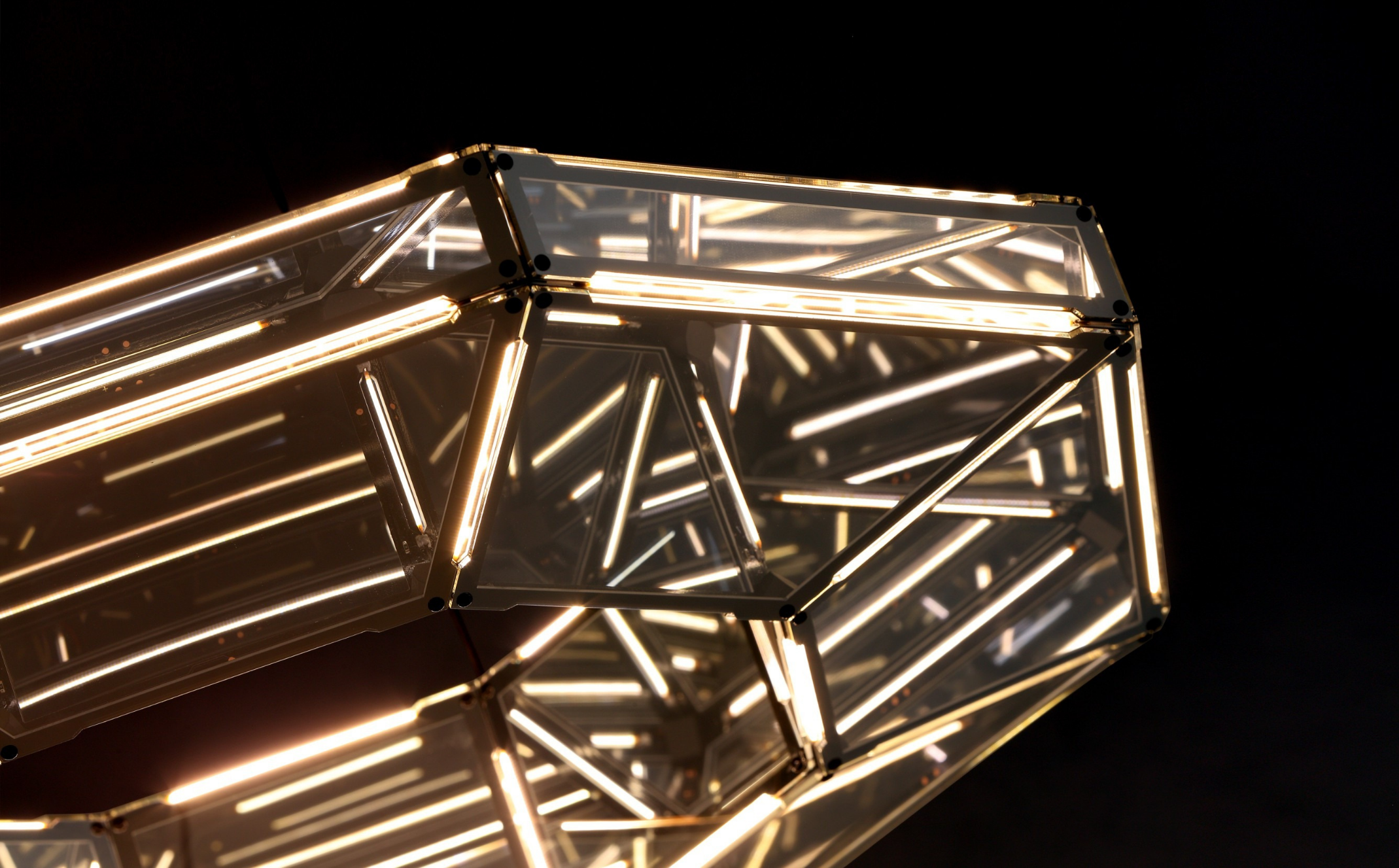
A light fixture can illuminate a room. But exceptional lighting design can do much more: shape emotion, create depth, and define the identity of a space.
This is the distinctive appeal of geometric pendant lighting—where light moves beyond function to become part of the architecture itself.
When Geometry Becomes the Language of Light
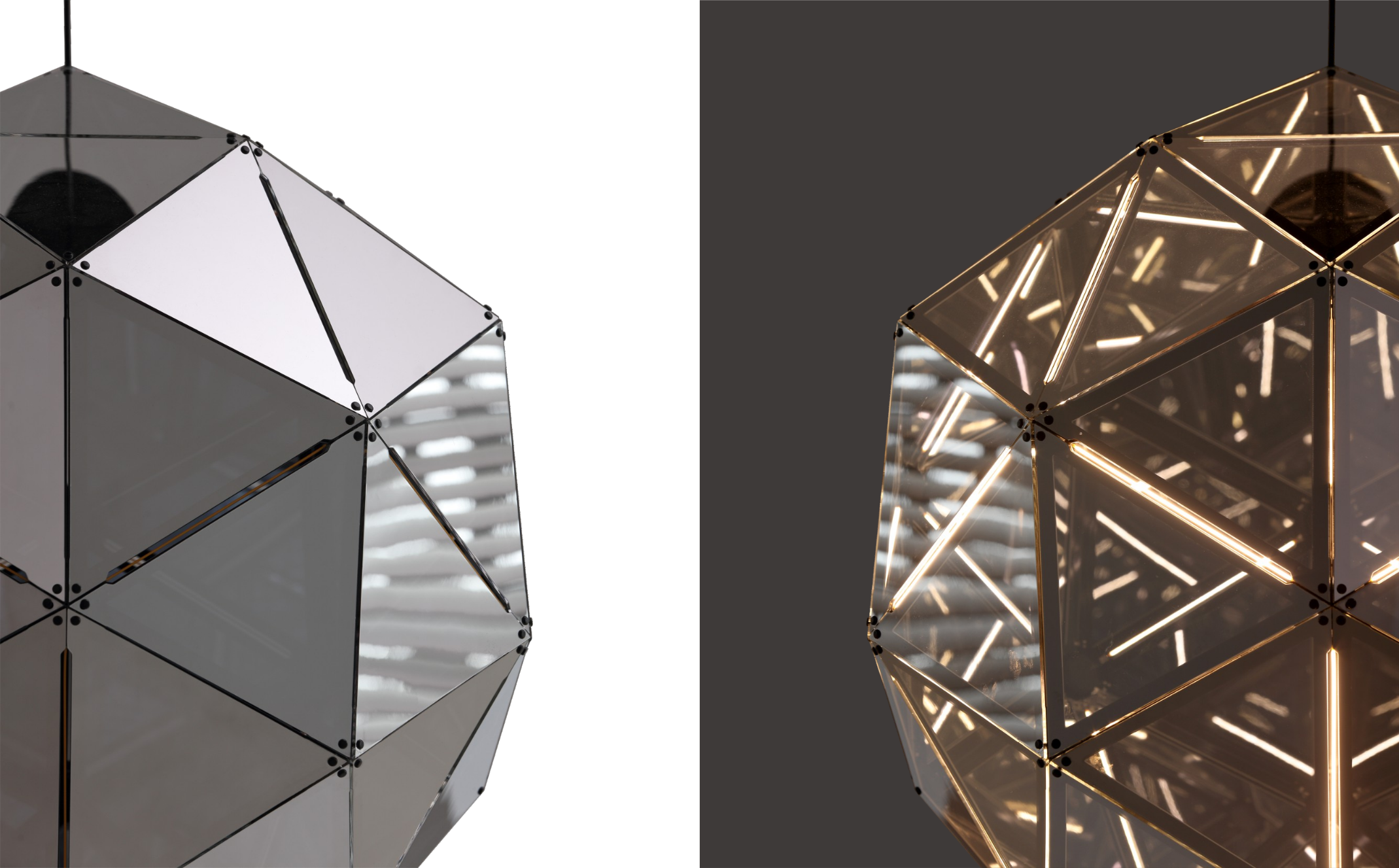
Defined by clean lines, triangular planes, and polyhedral structures, geometric pendant lights resemble three-dimensional sculptures suspended in space.
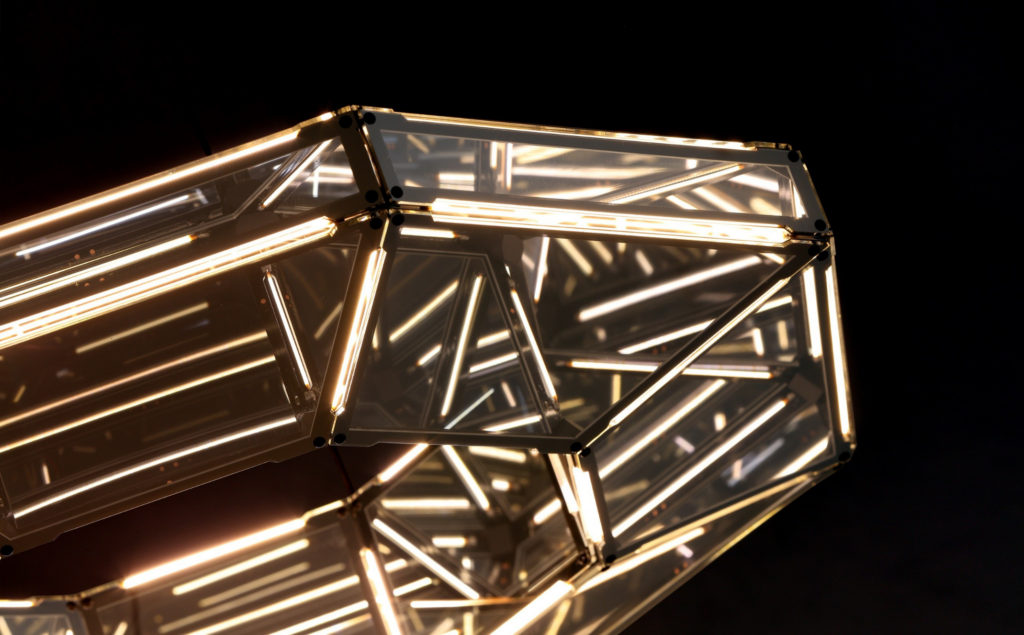
Every viewing angle reveals a different composition. As light passes through or reflects across glass, metal, or semi-reflective surfaces, illuminated lines appear to multiply, creating a sense of depth far beyond the fixture’s physical dimensions.
The value of such a design therefore lies not simply in how much light it produces, but in how precisely that light is controlled and composed.
From a Pendant Light to an Artistic Installation
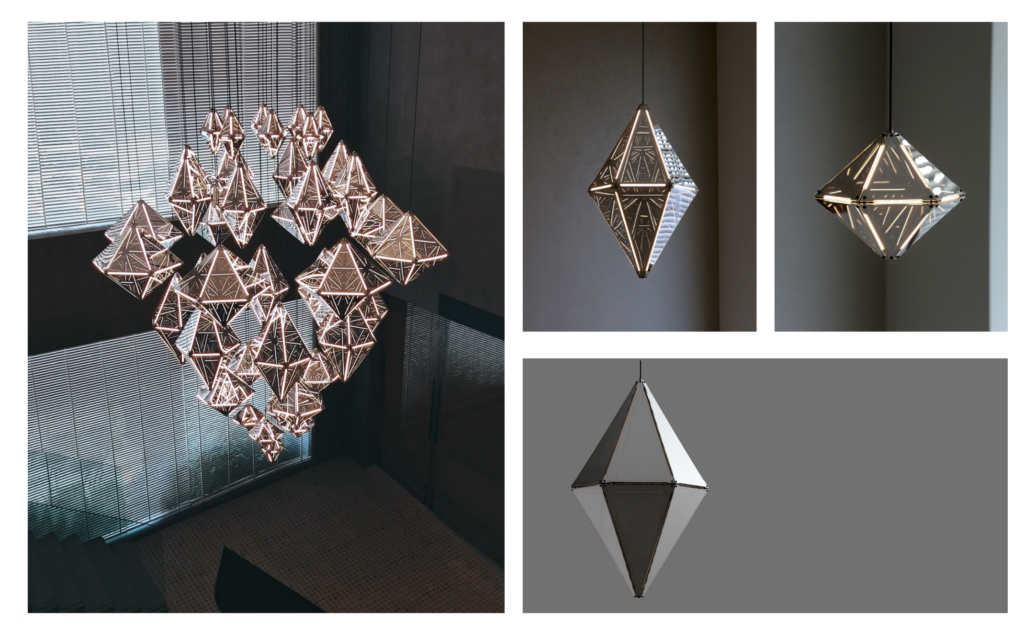
A single geometric pendant can become a focal point above a dining table, in a living room, or within a lounge area.
When several modules are suspended at different heights, they begin to create visual rhythm and spatial movement.
At a larger scale, dozens of geometric forms can evolve into a dramatic lighting installation for double-height spaces, luxury villas, hotel lobbies, galleries, or premium showrooms.
At that point, we no longer perceive individual light fixtures.
Light itself becomes part of the architecture.
Beauty Is Not Enough—Proportion Defines the Space
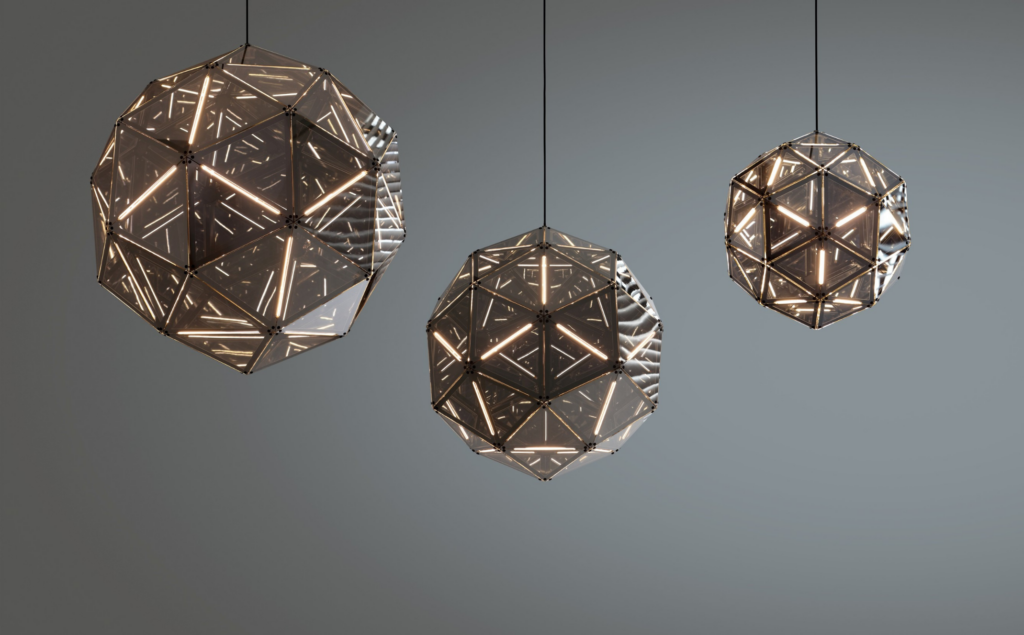
A pendant light that looks impressive in a catalogue may not necessarily feel right within an actual interior.
A fixture that is too large can overwhelm the room, while one that is too small may lose its visual presence.
Choosing sculptural pendant lighting therefore requires careful consideration of:
- ceiling height;
- room dimensions;
- furniture proportions;
- surrounding materials;
- color temperature;
- direction and intensity of light.
In sophisticated interiors, lighting should be considered from the beginning of the design process rather than treated as a final decorative layer.
When Light Enters a Dialogue with Materials
Sculptural lighting becomes particularly compelling when paired with the right materials.
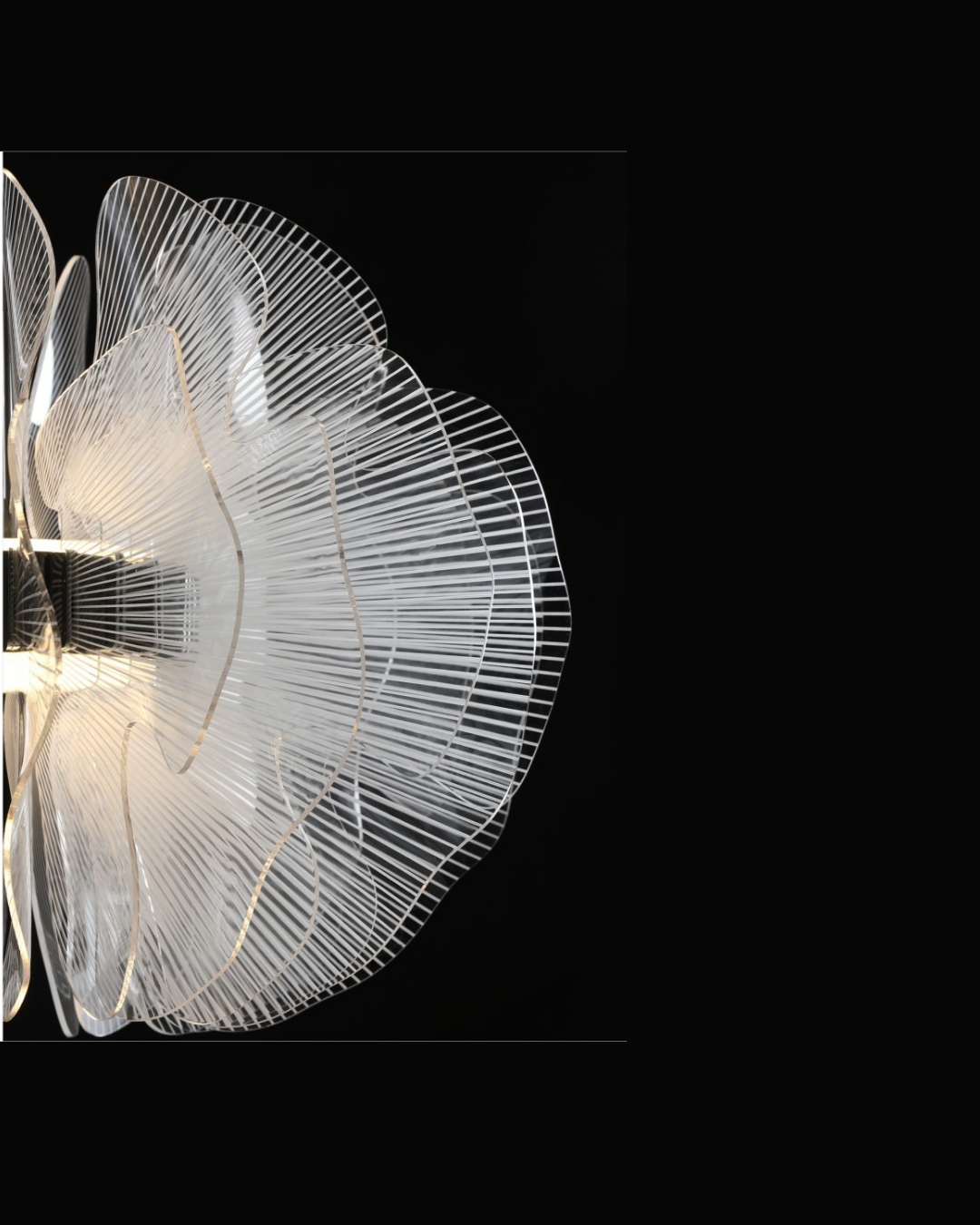
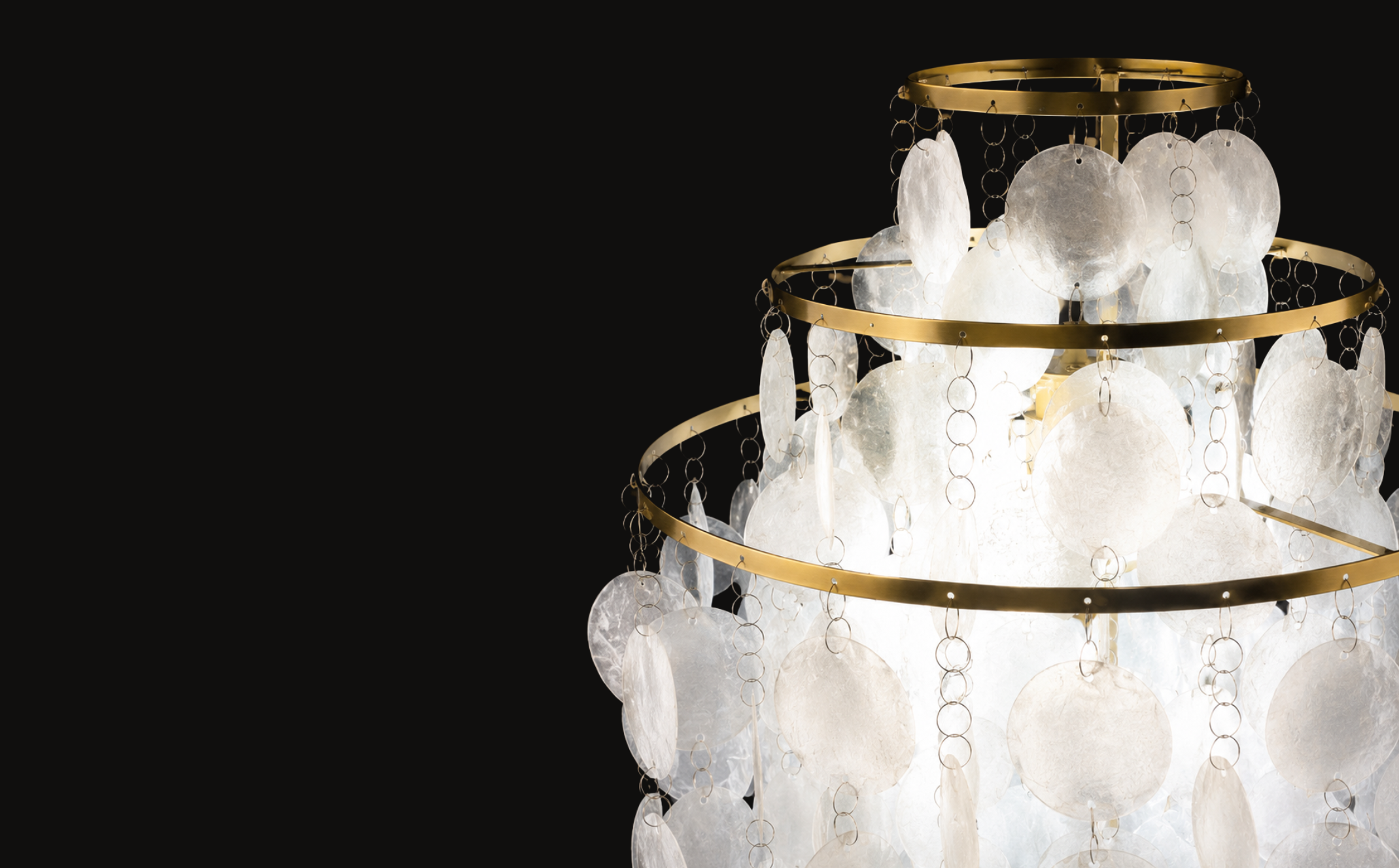
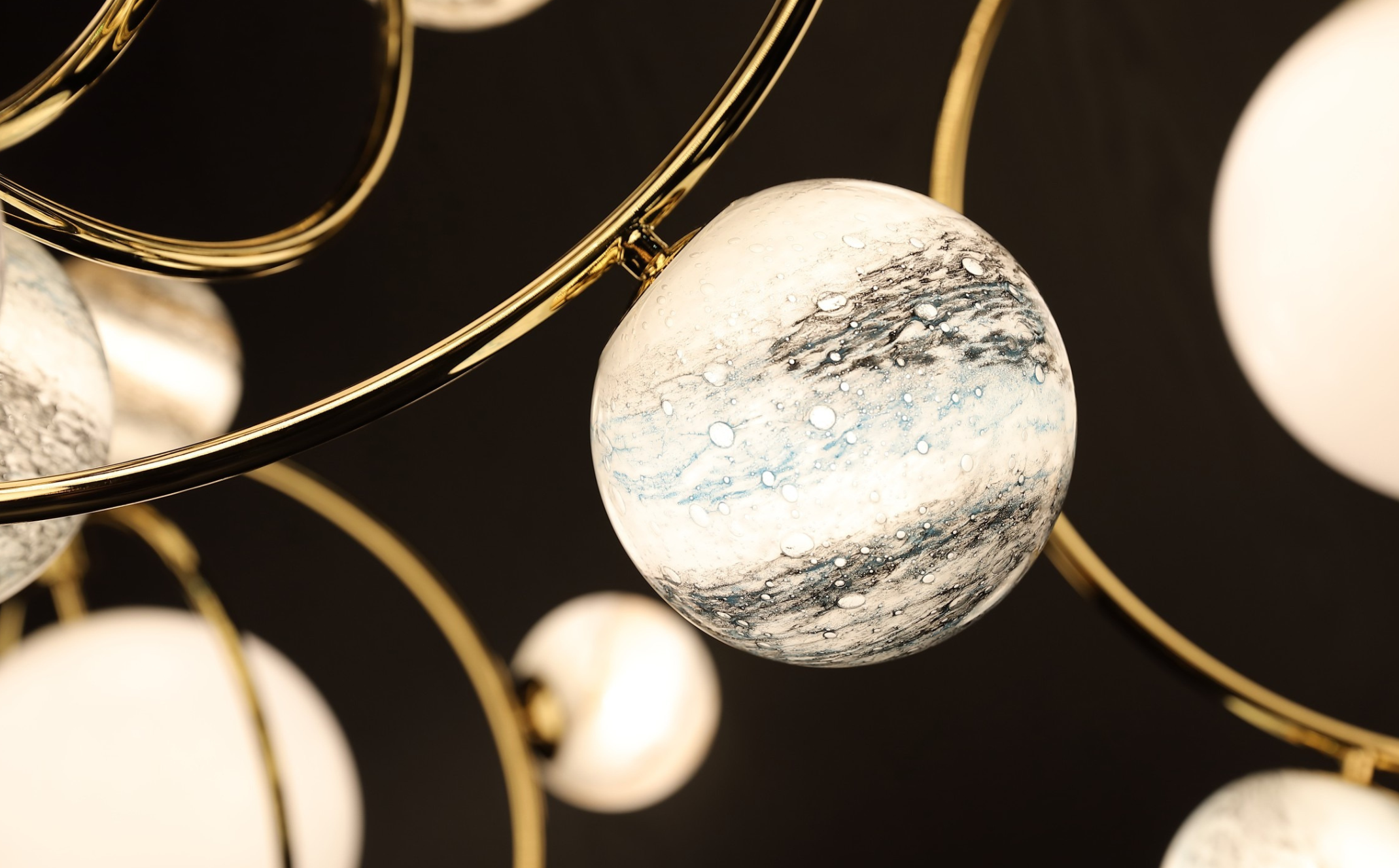
Glass enhances reflections. Metal creates sharper visual definition. Natural stone introduces depth, while wood softens the technical character of geometric structures.
A refined space does not need every element to compete for attention.
Sometimes, one carefully chosen lighting statement is enough to define the entire atmosphere.
The Best Light Is the One That Belongs to the Space
When choosing lighting, the most important question is not simply:
“Is this light beautiful?”
The better question is:
“What kind of experience will it create within this specific space?”
With PEAKROCKGREEN, inspiration can move beyond a beautiful reference image and develop into a more complete vision—exploring how lighting, materials, proportions, and interior elements work together to shape a distinctive environment.
Discover how light can transform your space with PEAKROCKGREEN.
From a single light fixture to an entire interior. From illumination to spatial experience.



Comments (0)
Please sign in to leave a comment