

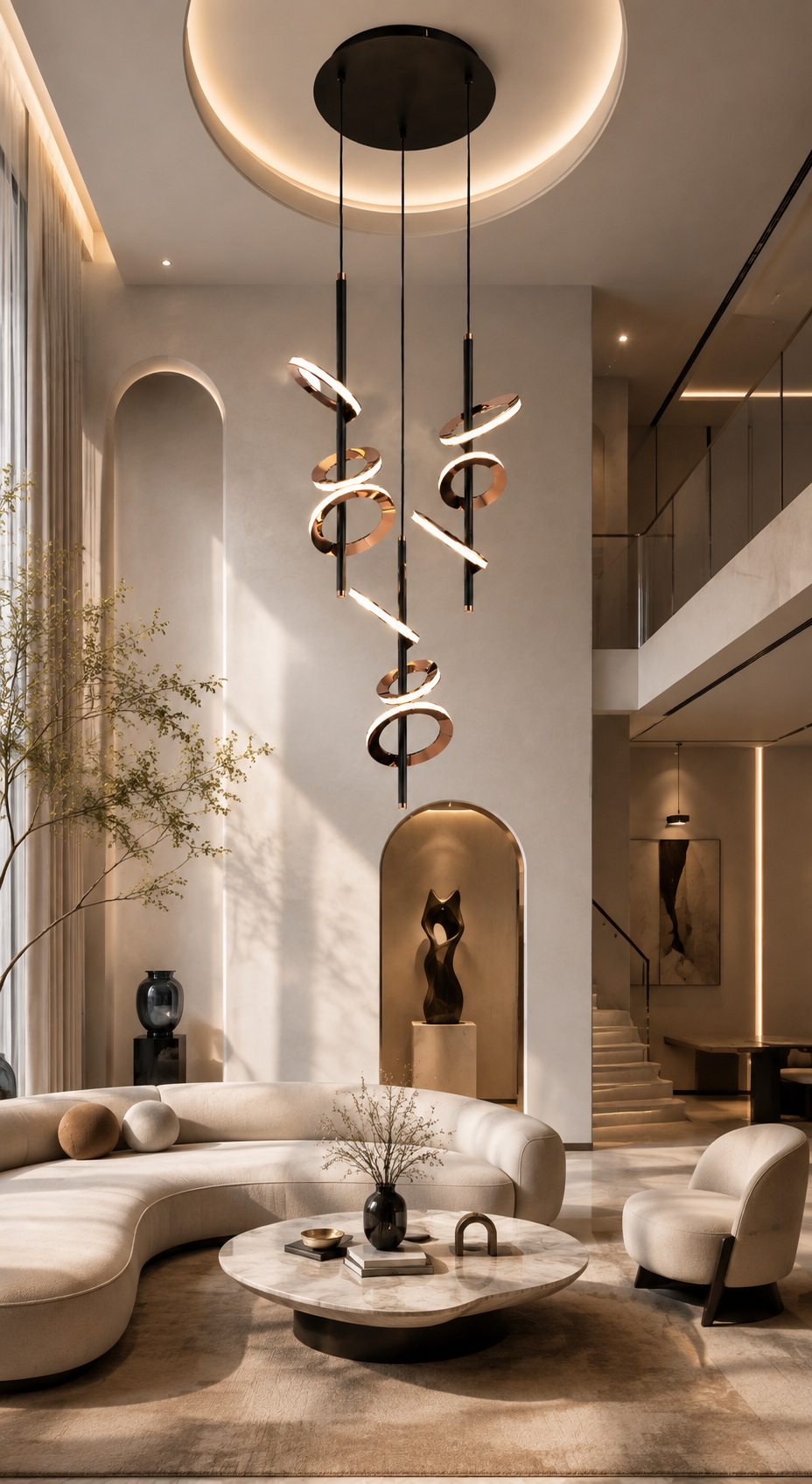
A ceiling pendant is more than a lighting fixture. In contemporary interior design, it is a spatial element where light, proportion, material, and architecture come together to create a visual and emotional experience.
We believe that a well-designed space is not the one with the most light, but the one where light is used with intention.
Ceiling Pendants: Where Function Meets Art
A ceiling pendant can fundamentally change how a space is perceived. Its form creates a visual focal point, while the intensity, direction, and color temperature of the light help define the atmosphere of the room.
This is why the selection of a pendant cannot be separated from architectural proportions, ceiling height, spatial scale, and interior composition.
Choosing the right fixture is not simply about finding a beautiful product. It is a design decision involving proportion, distance, height, viewing angles, and visual rhythm.
Light as an Invisible Material
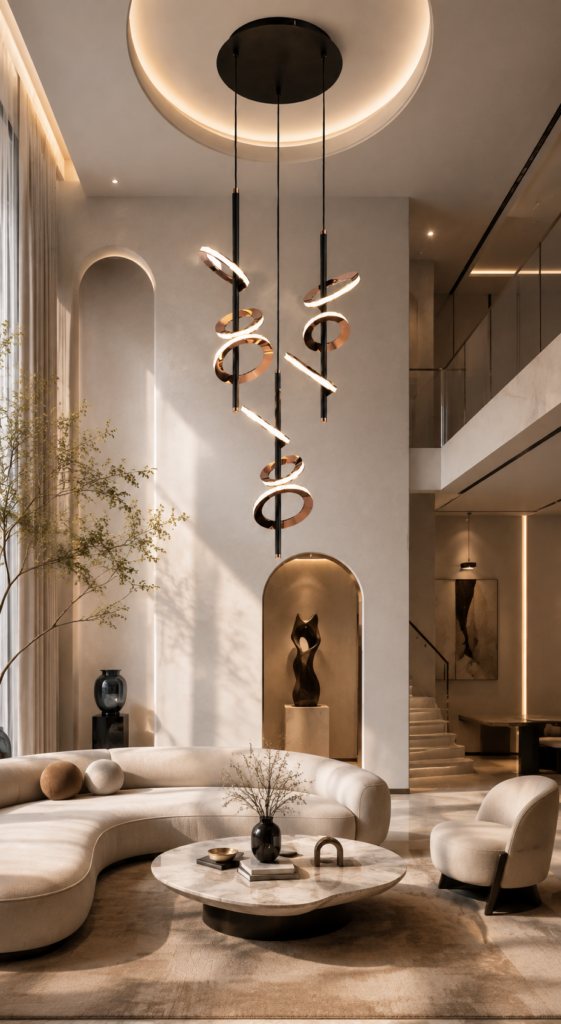
In contemporary design thinking, we see light as a unique material—one without a fixed physical form, yet capable of transforming how we perceive volume, depth, texture, and materiality.
The same table, wall, or stone surface can communicate an entirely different character under different lighting conditions.
Light can:
- Create depth within a space.
- Reveal texture and material qualities.
- Direct visual attention.
- Establish contrast between light and shadow.
- Influence the perceived scale and height of a room.
- Most importantly, shape human emotion and experience.
Therefore, successful lighting design is not about making everything bright. It is about understanding what should be illuminated—and what should remain in shadow.
Ceiling Pendants and the Art of Negative Space
One of the fundamental principles of lighting design is understanding the value of negative space.
A pendant does not always need to dominate the room. Sometimes, a carefully positioned light source suspended within a generous volume of space can create a stronger sense of elegance and sophistication than an environment filled with visual elements.
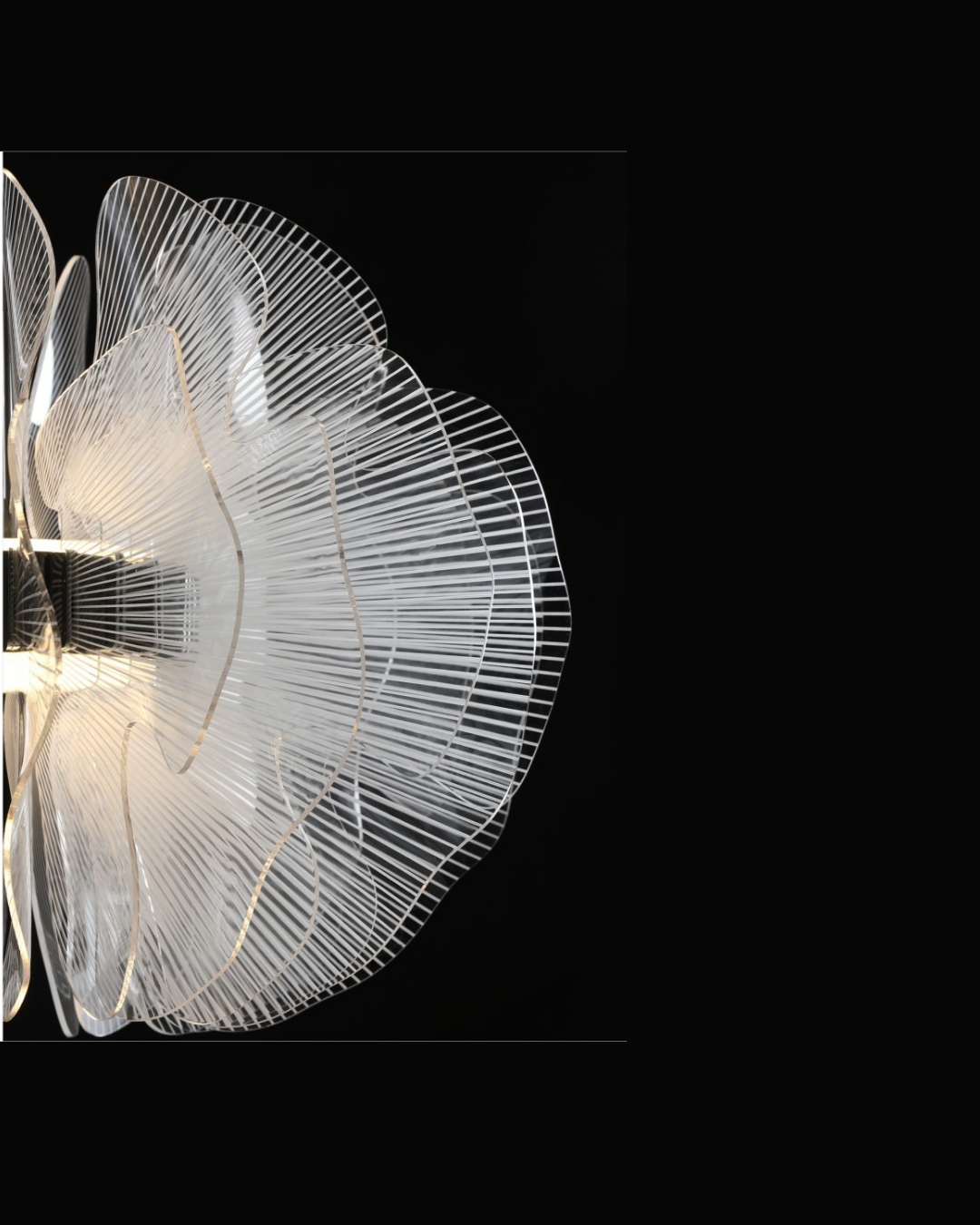
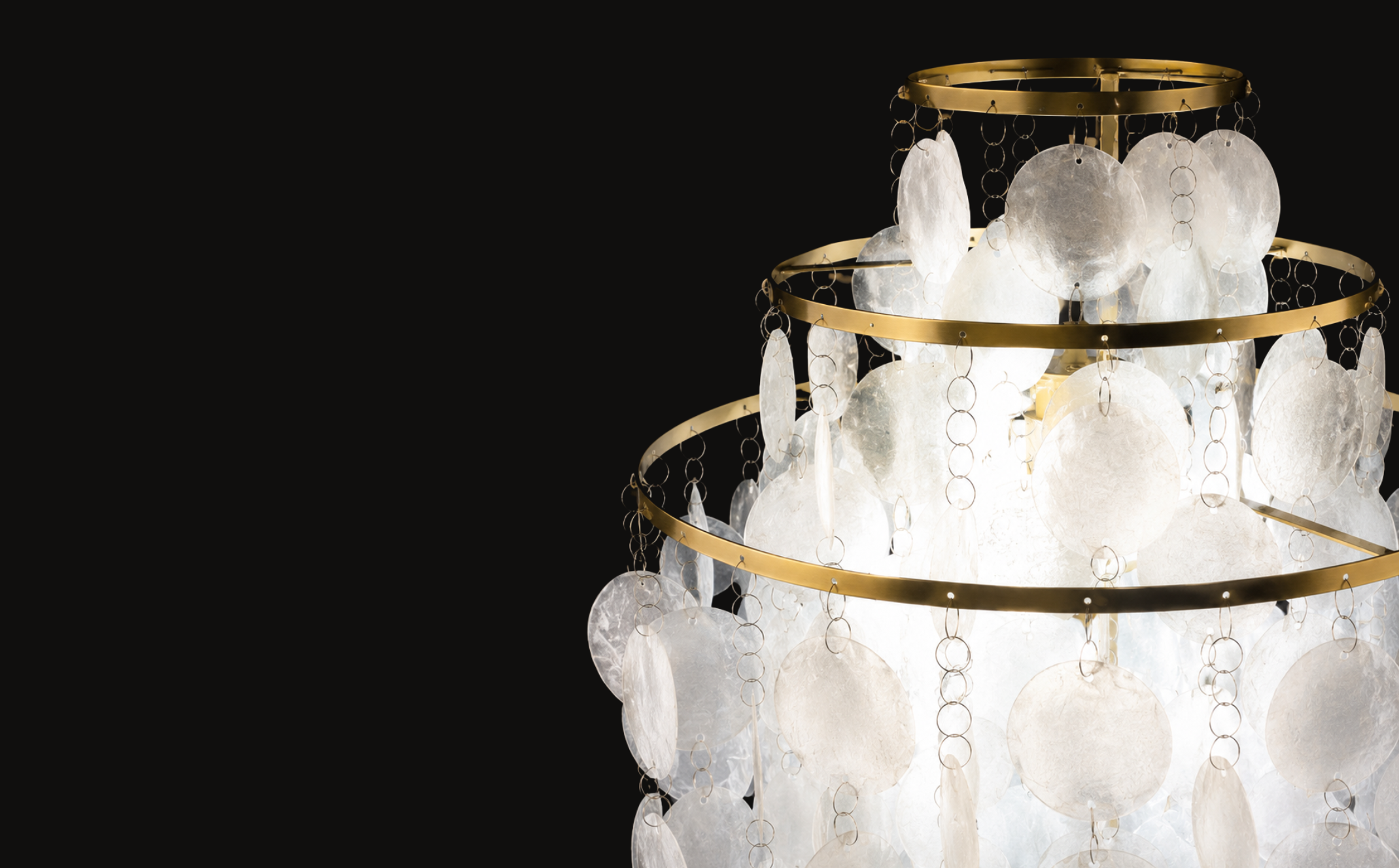
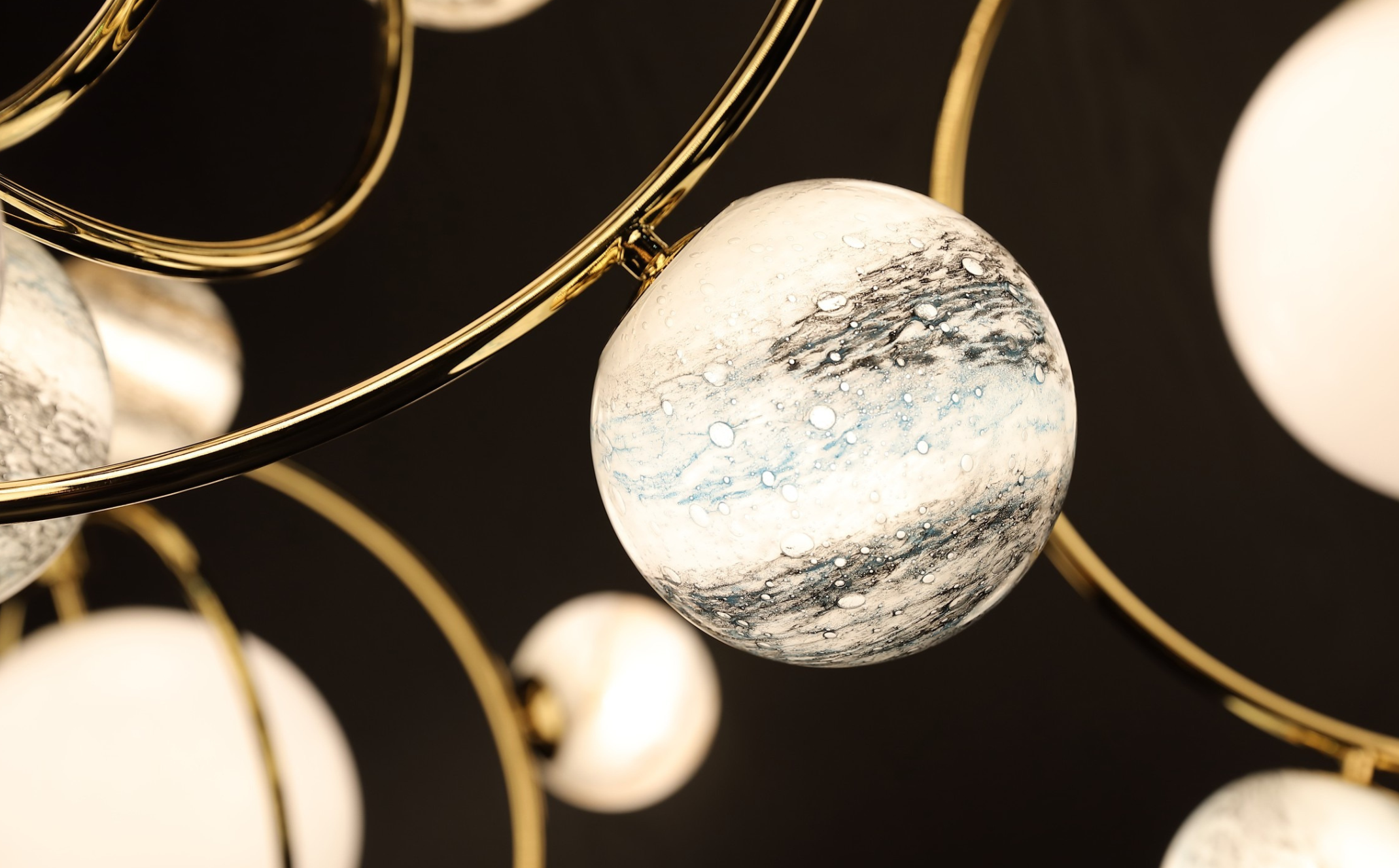
This is why sculptural pendant lights with distinctive forms are often treated as architectural objects within an interior.
When light and form achieve the right balance, the pendant no longer feels like an object placed inside the architecture. It becomes part of the architecture itself.
We Begin with Emotion, Not the Product
When developing a design concept, we do not begin by asking:
“Which light fixture should we choose?”
We begin with a more fundamental question:
“How should people feel when they enter this space?”
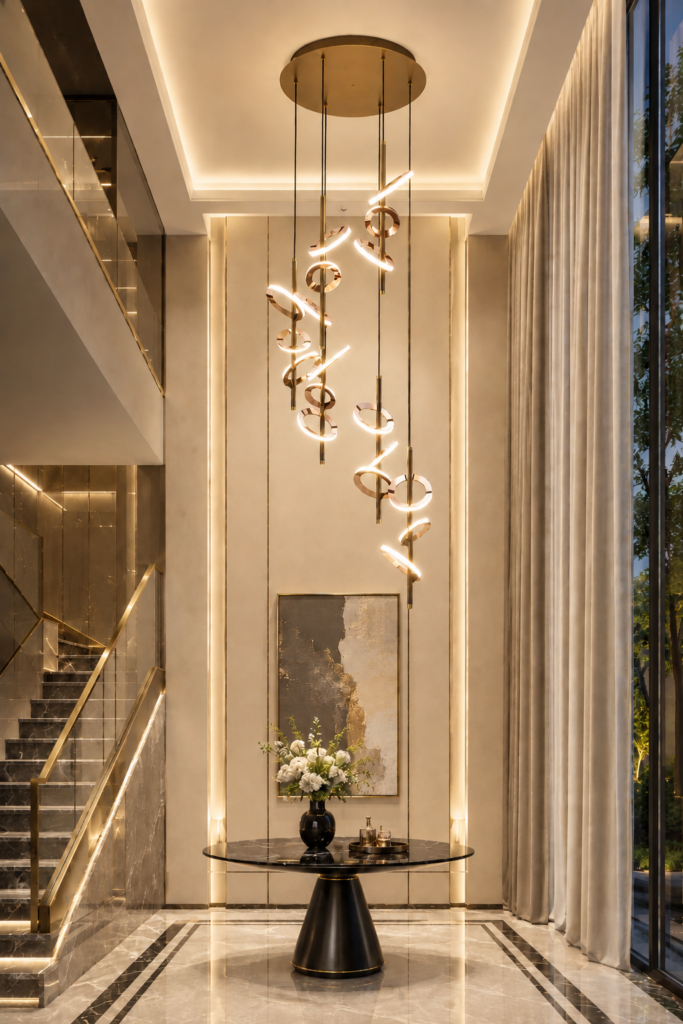
A living room may require warmth and connection. A hotel lobby may call for drama and presence. A luxury restaurant may seek intimacy, depth, and a cinematic atmosphere.
Once the desired emotional experience is defined, we can determine the appropriate form, position, intensity, and quality of light.
This is the difference between decorating with light and designing with light.
Peakrockgreen – Turning Design Thinking into a Visual Experience
At Peakrockgreen, we believe technology is most valuable when it helps designers visualize what is difficult to communicate through drawings alone.
Through 3D spatial visualization, ideas involving ceiling pendants, lighting, materials, proportions, and interior composition can be explored before they become physical reality.
This allows designers to evaluate not only aesthetics and functionality, but also the emotional impact and spatial experience of a design.
Conclusion
A ceiling pendant may begin as a lighting product.
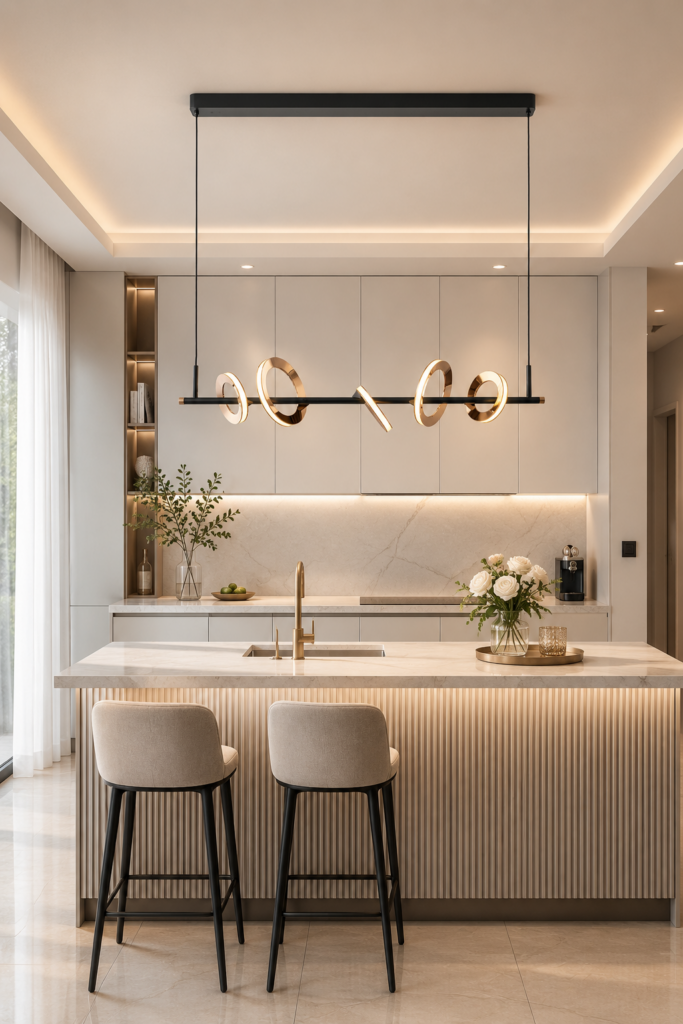
But in the hands of a thoughtful designer, it can become a visual anchor, a spatial design tool, and an essential part of the architectural narrative.
We believe exceptional lighting design is not about creating more light. It is about creating the right light—in the right place, at the right moment, for the right emotion.
Explore Peakrockgreen and transform your design ideas into immersive spatial experiences—where light becomes an intentional part of the architecture.
Peakrockgreen – Design beyond imagination.



Comments (0)
Please sign in to leave a comment