

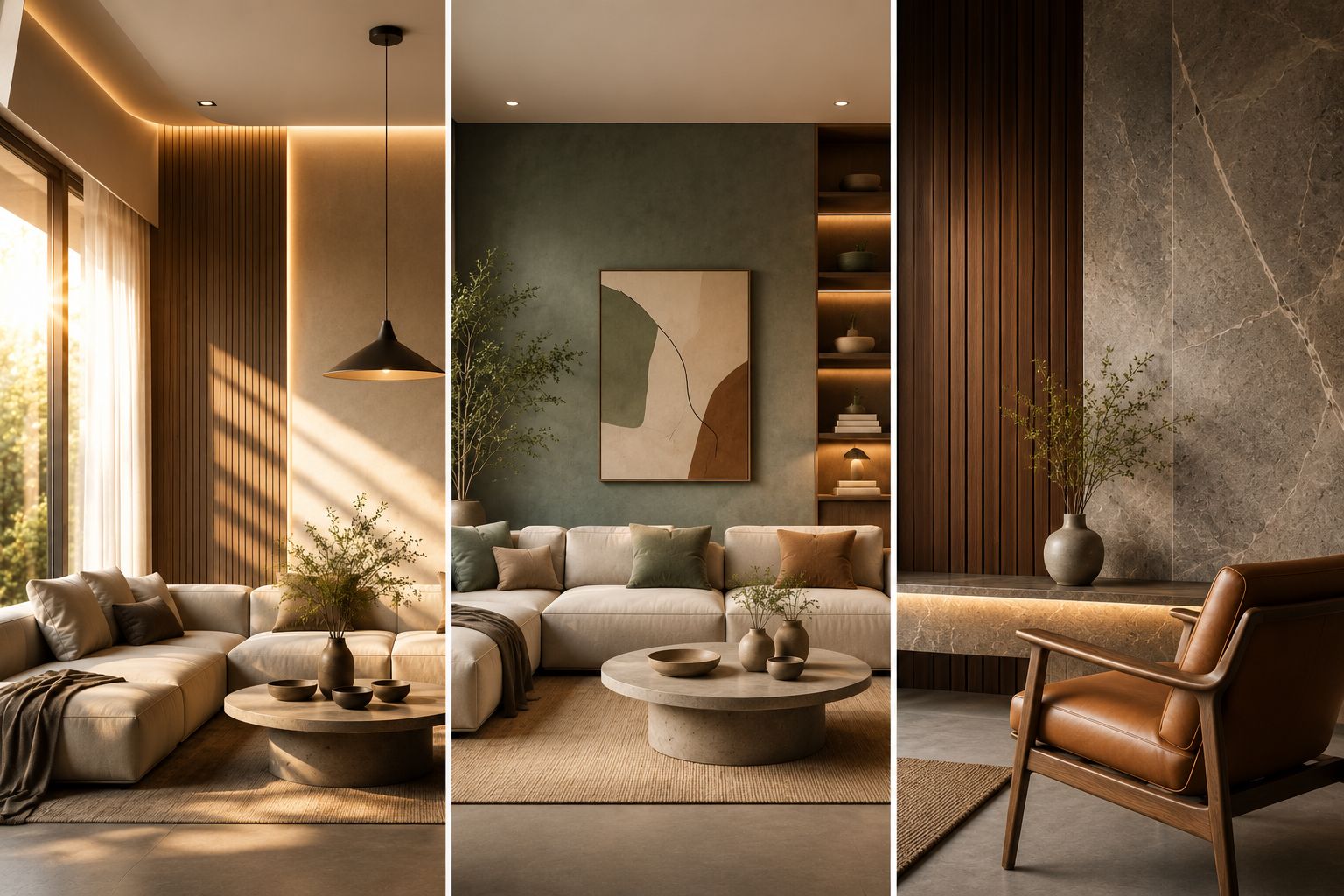
Discover how lighting, color, and materials influence emotions, spatial perception, and interior design decisions. Explore the role of 3D interior design with Nhachill.ai.
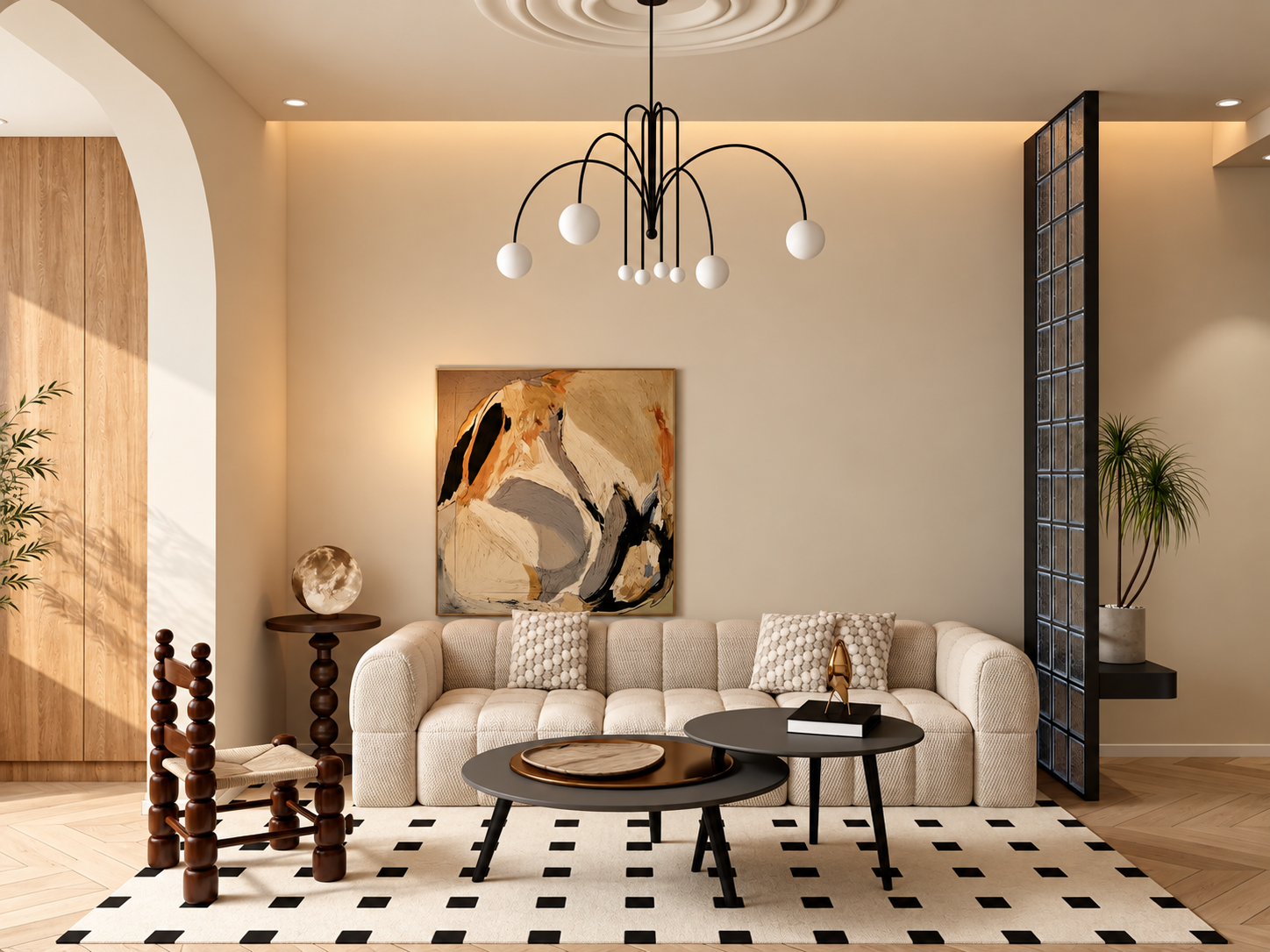
In interior design, we often focus on style, layout, and furniture. However, the emotions a space evokes are often shaped by more subtle elements:
Lighting. Color. And materials.
These are not merely aesthetic choices. When thoughtfully combined, they can completely transform how people perceive and experience a space.
Lighting Defines the Atmosphere
Lighting does more than make a space visible. It determines how that space is experienced.
Natural light can create a sense of openness and connection with the outside environment. Artificial lighting, meanwhile, can create warmth, enhance focus, or highlight architectural details and materials.
In particular, the same space can evoke completely different emotions depending on the intensity, direction, and color temperature of the light.
Light does not simply illuminate a space. It shapes the way the space is perceived.
Color Influences Perception
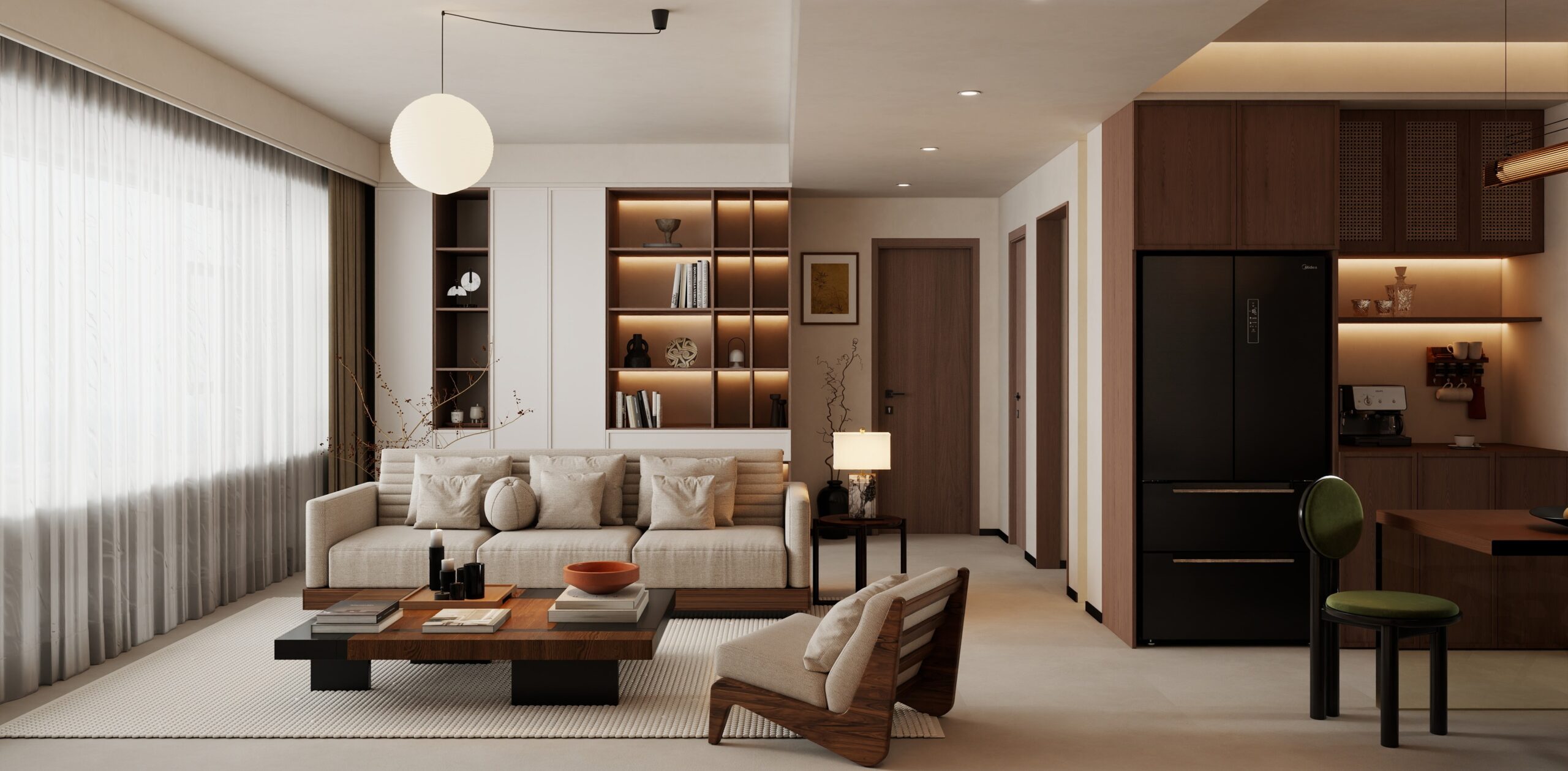
Color has the power to change how we perceive the size, depth, and atmosphere of a room.
Light colors can create a sense of openness. Darker tones bring depth and intimacy. Warm tones often create a welcoming atmosphere, while cooler colors can evoke a sense of balance and calm.
However, no color exists independently.
A color can appear completely different under different lighting conditions or when placed alongside different materials.
The value of color lies not only in the color itself, but also in the context in which it is used.
Materials Create Depth and Identity
Wood brings warmth. Stone creates a sense of solidity. Metal suggests modernity. Glass expands the perception of space.
But materials are not experienced through sight alone.
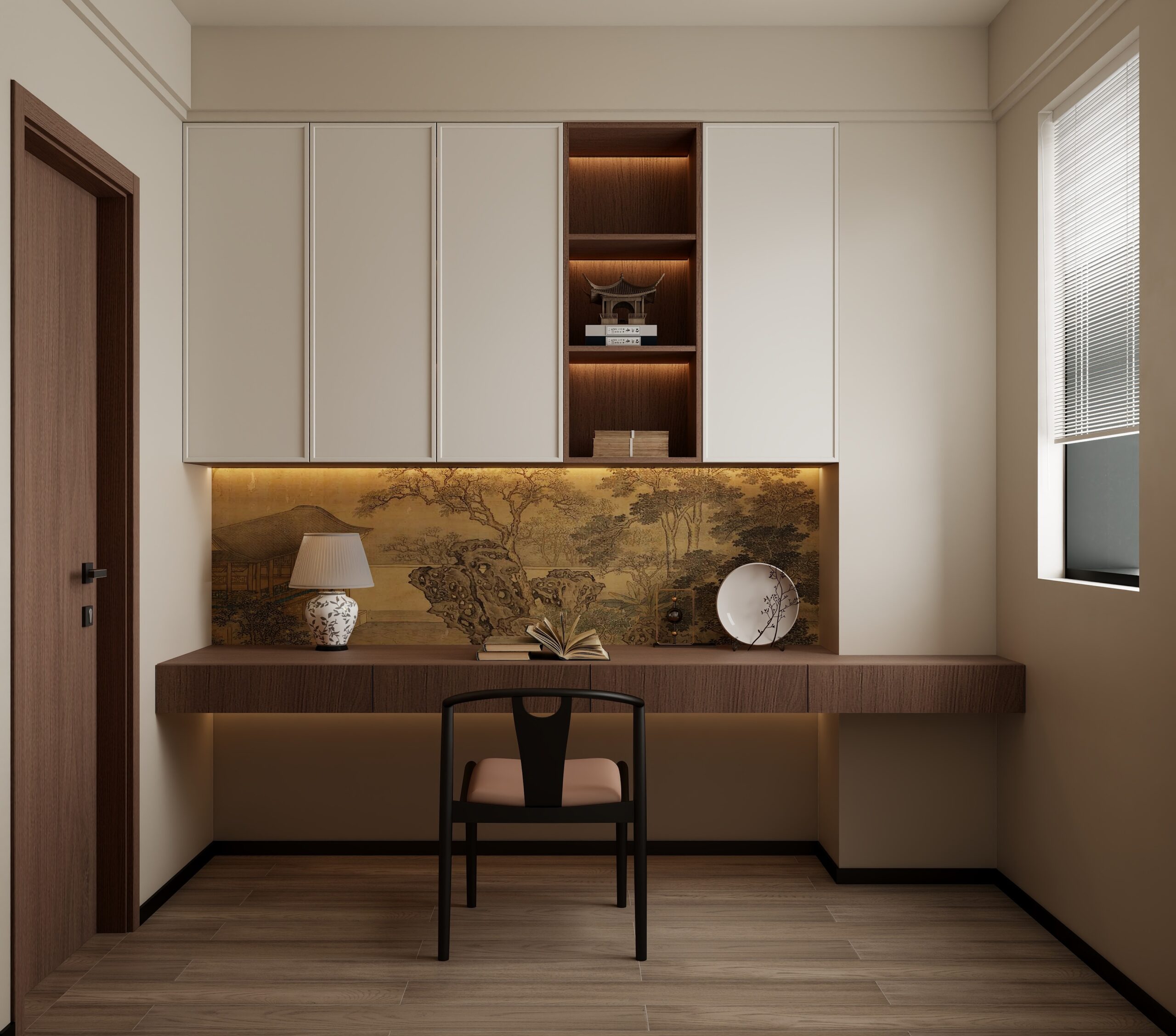
Their texture, reflectivity, and surface qualities create different experiences as they interact with light.
A material that looks beautiful in a sample may not create the same effect when placed within a specific interior environment.
Therefore, the important question is not only:
“What does this material look like?”
But also:
“How will it interact with the entire space?”
Good Design Needs to Be Experienced as a Whole
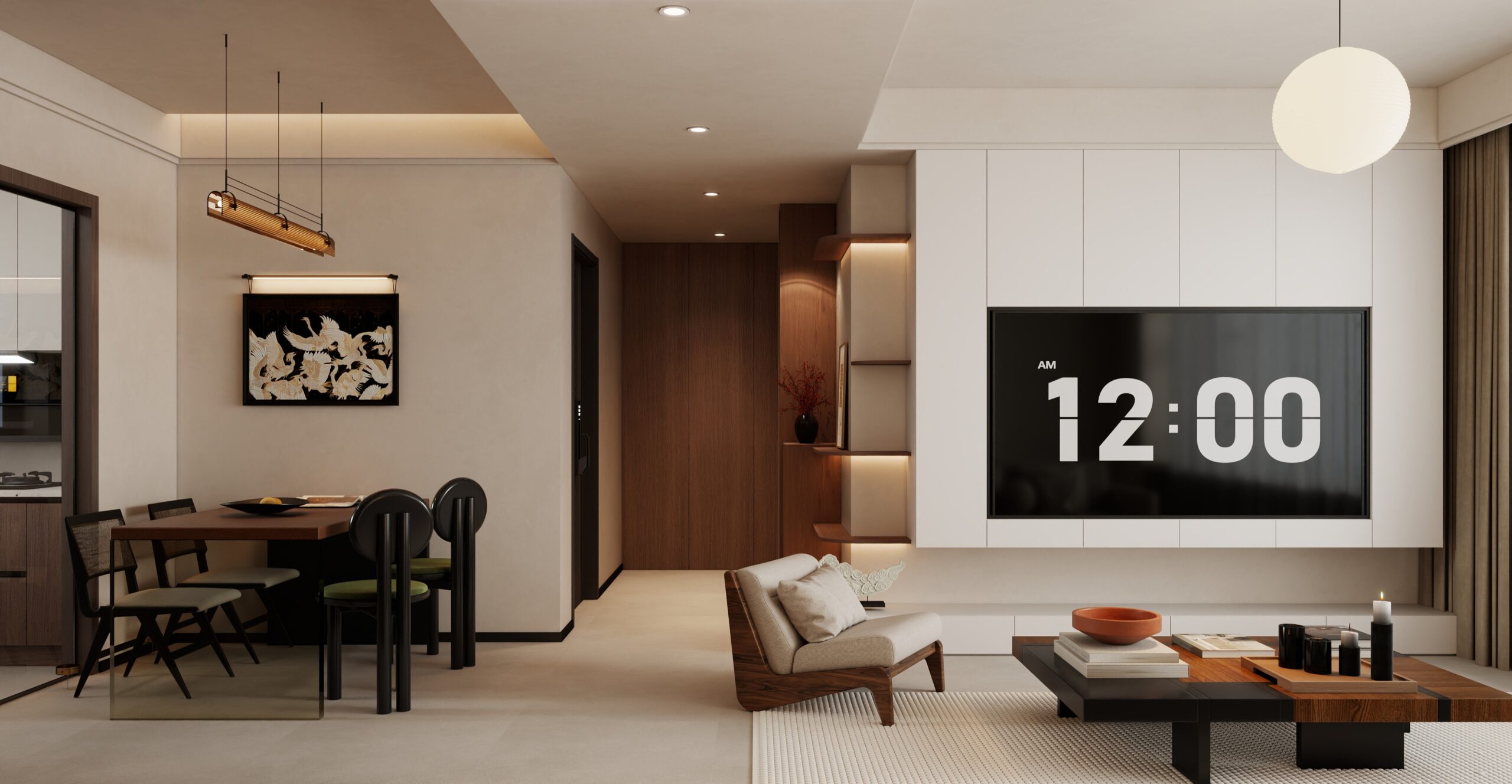
Lighting, color, and materials do not work independently. They constantly influence one another.
This is why design decisions based solely on static drawings or individual material samples can sometimes lead to results that differ from expectations.
With 3D interior design software, ideas can be visualized within a complete spatial environment before construction begins.
With peakrockgreen.com, users can explore 3D designs, experiment with different color, material, and lighting options, and experience spaces from multiple perspectives through 360° Virtual Tour technology.
This transforms the design process from simply “imagining” a space into “seeing and experiencing” it.
Because a well-designed space should not only look beautiful in a drawing.
It should create the right feeling when people actually step into it.
👉 Explore peakrockgreen.com — 3D interior design software that helps you see and experience your ideas before turning them into reality.




Comments (0)
Please sign in to leave a comment