
3D Interior Design: Transforming Ideas into Real Spaces Through Technology
In architecture and interior design, a creative idea only reaches its true value when it can be clearly communicated, accurately visualized, and transformed into a real living environment.
However, one of the biggest challenges in the industry has always been:
How can clients experience a space that does not exist yet?
How can designers validate their ideas before construction begins?
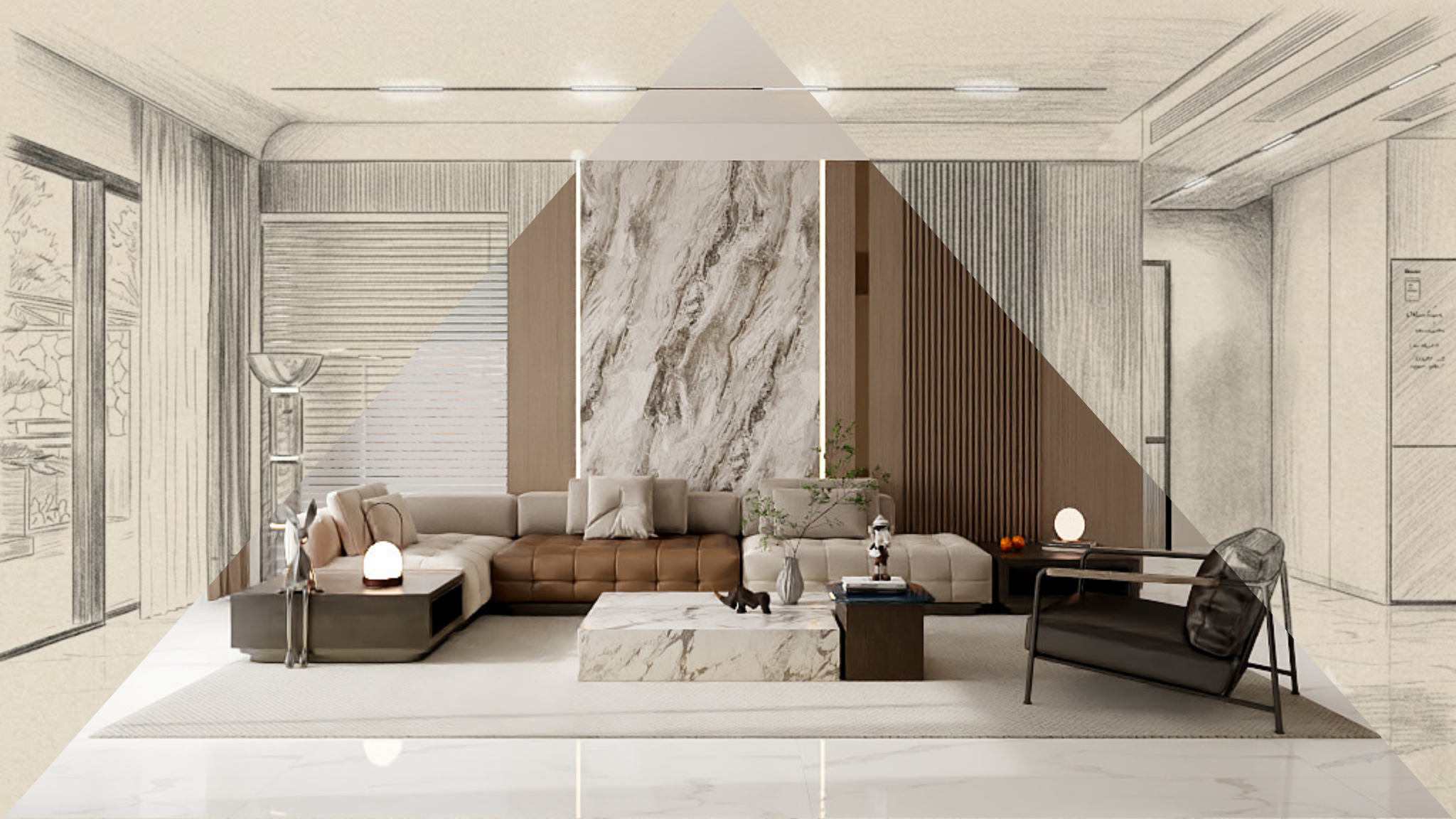
The advancement of 3D interior design technology is creating a significant transformation in the industry by bridging the gap between technical drawings and real-world experiences.
Instead of relying only on 2D drawings, designers and clients can now visualize spatial layouts, explore materials, experience lighting conditions, and understand the entire environment before the construction process begins.
From 2D Drawings to 3D Spaces: A New Era of Interior Design Workflow
Traditionally, interior design follows a process:
Concept → 2D Drawings → 3D Modeling → Revisions → Construction
While this workflow has played an important role in the development of architecture and interior design, it still presents several challenges:
- Clients may struggle to imagine the final space from technical drawings.
- Multiple design changes can increase project time and cost.
- The final result may differ from the original concept due to communication limitations.
With modern 3D interior design software, designers can create realistic digital environments from the earliest stages of development.
They can easily adjust:
- Spatial layouts.
- Furniture arrangements.
- Colors and finishes.
- Materials.
- Lighting effects.
- Overall design styles.
This enables a more flexible creative process and helps make better decisions before production and construction.
How 3D Interior Design Technology Is Changing the Way We Experience Spaces
Interior design is not simply about arranging furniture or selecting materials.
A successful space is created through the balance between:
- Functionality.
- Aesthetics.
- Emotion.
- Human experience.
Modern 3D space visualization technology allows these elements to be explored more effectively.
1. Visualizing Spaces Before They Are Built
One of the greatest advantages of 3D interior design is the ability to help people see the future.
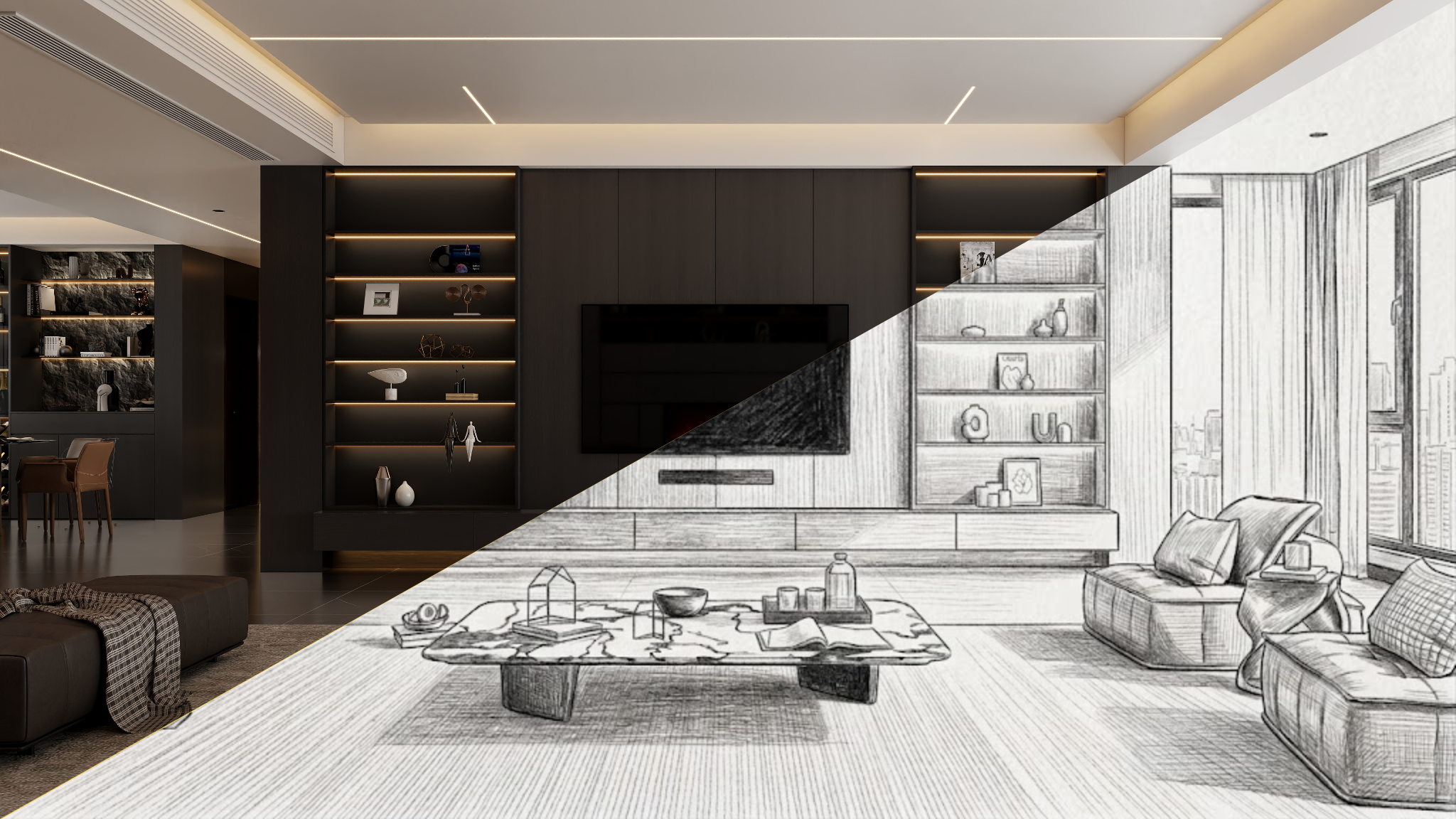
Instead of imagining a room through traditional drawings, clients can experience:
- How a living room will look after completion.
- How natural and artificial light interact with materials.
- How colors and furniture work together.
- The actual proportions of each area.
This creates better communication between designers and clients, reducing uncertainty throughout the design process.
2. Realistic Material Simulation for Better Design Decisions
Materials play a crucial role in defining the atmosphere and character of an interior space.
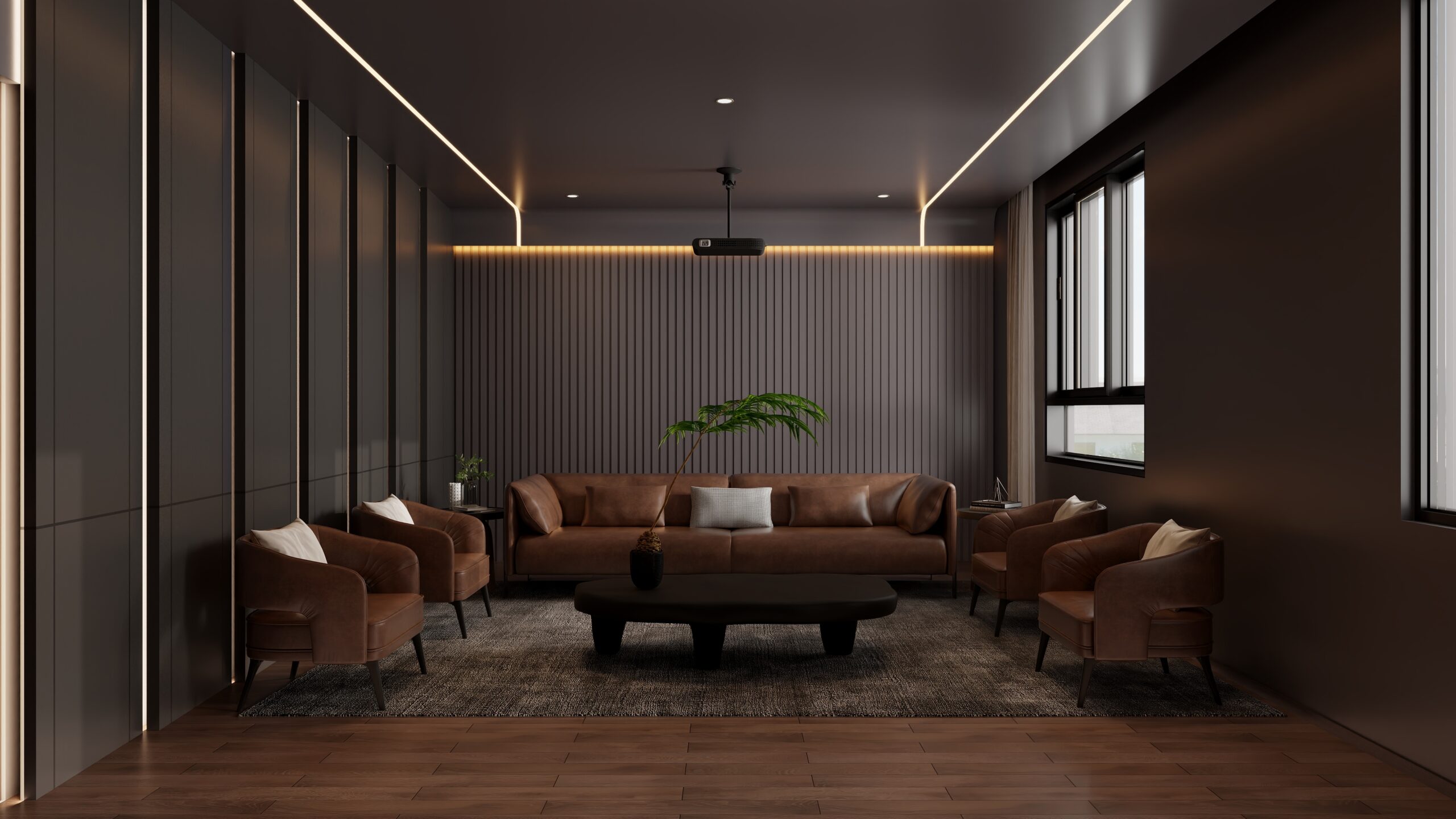
Advanced 3D design technology enables realistic simulation of materials such as:
- Natural wood.
- Stone.
- Glass.
- Metal.
- Surface finishes.
- Decorative textures.
By visualizing materials digitally, designers can evaluate combinations and make informed decisions before moving into manufacturing or construction.
3. Connecting Design with Production Through Digital Workflows
A major trend in modern interior design is creating a seamless connection between:
Idea → 3D Design → Material Selection → Production → Real Space
Digital design platforms are increasingly becoming ecosystems that connect architects, designers, manufacturers, and customers.
This approach helps:
- Reduce design errors.
- Shorten revision cycles.
- Improve production efficiency.
- Standardize design data.
- Optimize the entire workflow.
AI in Interior Design: Empowering Creativity Through Technology
The emergence of AI is opening a new chapter for the interior design industry.
However, the greatest value of AI is not replacing designers.
AI acts as a powerful assistant that helps professionals:
- Generate more design possibilities.
- Reduce repetitive tasks.
- Optimize creative workflows.
- Explore new concepts faster.
The future designer will not simply use technology to create beautiful visuals, but to develop spaces with deeper meaning, functionality, and emotional connection.
Peak Rock Green: Building the Future of Smart Interior Design Through Technology
As the interior design industry moves toward digital transformation, intelligent design platforms are becoming essential tools for simplifying the creative process.
Peak Rock Green Development is developing technology solutions that support architects, designers, and customers throughout the journey from initial concepts to completed spaces.
The platform focuses on:
- Intelligent 3D interior design solutions.
- Real-scale space customization.
- Realistic material visualization.
- AI-assisted creative workflows.
- Digital connection between design and production.
The goal is not to replace human creativity with technology.
Instead, technology becomes a powerful partner that allows designers to focus on what matters most — ideas, emotions, and the unique value behind every design.
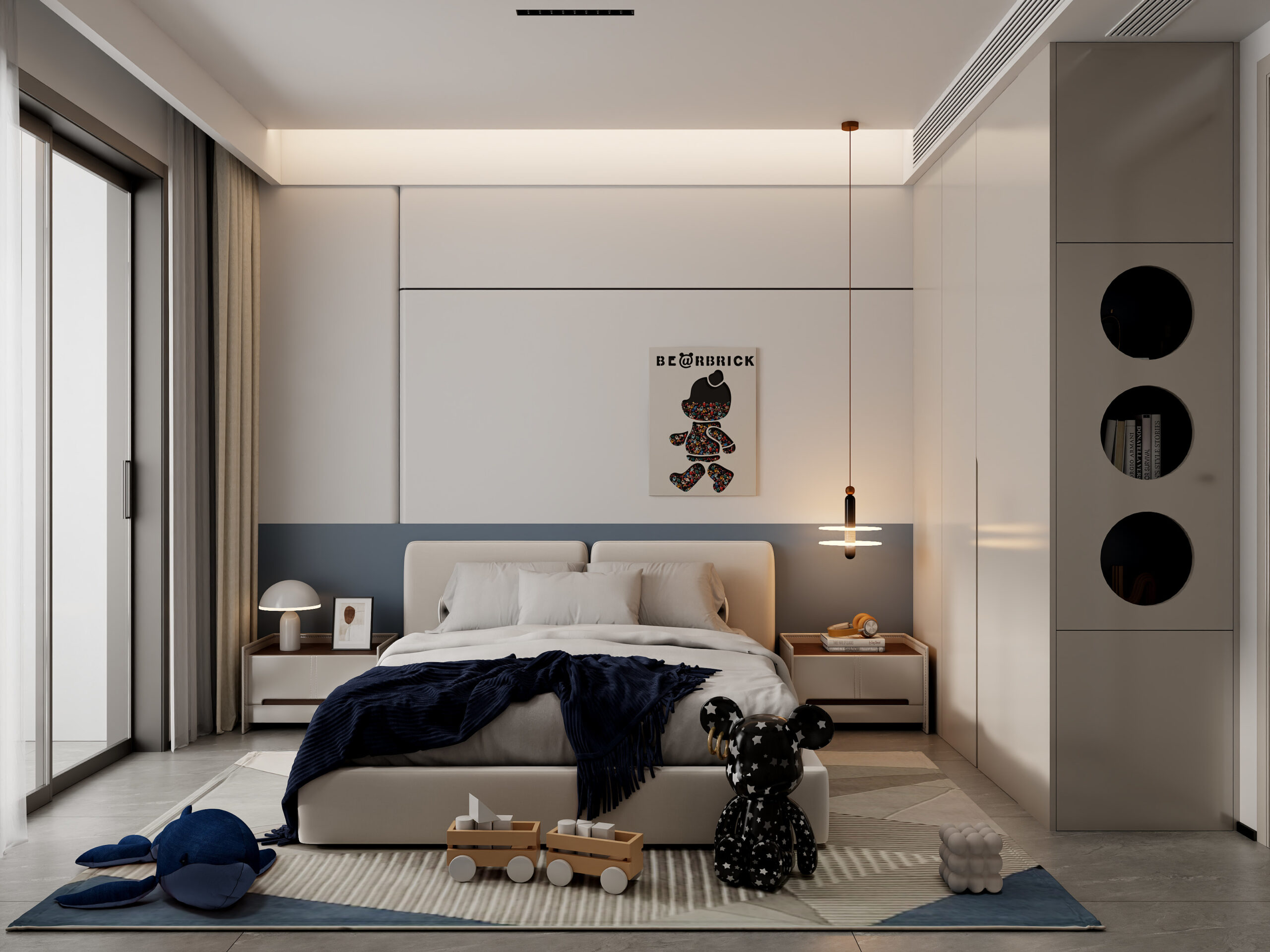
The Future of Interior Design: Where Human Creativity Meets Technology
The interior design industry is entering a new era where technology is not only supporting the design process but also changing the way people experience spaces.
From an initial concept, an idea can now become a detailed 3D environment, allowing designers and clients to evaluate materials, lighting, functionality, and aesthetics before transforming it into reality.
3D interior design is more than a visualization tool.
It is the bridge between imagination and reality.
With the combination of human creativity and advanced technology, the future of architecture and interior design will create smarter, more personalized, and more meaningful living environments.
Peak Rock Green – Technology elevates creativity.
Your dream house come true.





Comments (0)
Please sign in to leave a comment